Trading in the stock market requires discipline, awareness, and access to the right digital tools. As individual participation grows, investors are turning toward technology-driven platforms that simplify market access while supporting informed decisions. A well-designed stock trading app serves as the foundation for this shift by bringing market data, execution tools, and account management into a single interface.
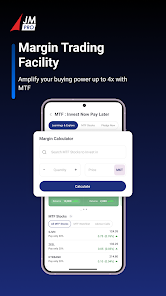
An advanced stock market app allows users to follow price movements, place trades, and review portfolio performance without unnecessary complexity. When combined with a secure demat account platform, it becomes easier to manage holdings, monitor transactions, and maintain long-term investment records. This article explains how an intelligent stock trading app supports confident trading through structured features, clarity in data presentation, and practical usability.
Understanding the Role of a Stock Trading App
A stock trading app acts as a digital gateway to financial markets. Instead of relying on traditional methods, investors can access exchanges, analyze stocks, and execute trades from a single platform.
Core Purpose of a Trading Application
The primary goal of a trading app is to simplify participation in the stock market. It provides:
- Real-time market access
- Tools for placing buy and sell orders
- Portfolio tracking and reporting
- Secure access to trading and investment accounts
An efficient stock market app focuses on usability rather than complexity, allowing users to act based on clear information.
Why Intelligent Design Matters in Trading Platforms
Not all trading platforms deliver the same experience. An intelligent stock trading app prioritizes accuracy, clarity, and stability, helping users reduce errors and maintain consistency.
Data Presentation and Market Visibility
Clear charts, structured price data, and readable indicators enable investors to understand trends without confusion. Instead of overwhelming users, intelligent design organizes information logically.
Decision Support Features
Modern trading apps often include:
- Historical price views
- Basic analytical indicators
- Order history and trade summaries
These features assist users in reviewing past actions and planning future trades.
Integration with a Demat Account Platform
A demat account platform is essential for holding shares electronically. When integrated with a stock trading app, it removes friction between trading and asset storage.
How Demat Integration Helps Investors
- Shares are credited automatically after purchase
- Holdings are updated in real time
- Corporate actions reflect directly in the account
This integration ensures that investors can track ownership without manual intervention.
Security and Compliance
A reliable demat account platform follows regulatory standards and applies safeguards such as encryption and authentication. This protects user data and ensures transaction integrity.
Key Features of a Well-Structured Stock Market App
A functional stock market app focuses on essential features that improve usability and trading accuracy.
Account and Portfolio Management
Users should be able to:
- View holdings and positions
- Track profits and losses
- Review transaction history
Simple reporting tools help investors understand performance over time.
Order Execution and Controls
Efficient order placement includes:
- Market and limit orders
- Order modification and cancellation
- Trade confirmations
These controls allow users to manage trades with precision.
User Experience and Navigation
Ease of use plays a major role in trading confidence. An app that is difficult to navigate can lead to mistakes or missed opportunities.
Layout and Accessibility
A clean interface with structured menus helps users locate tools quickly. Clear labeling and consistent navigation reduce learning time, especially for new investors.
Performance and Reliability
Stability during market hours is critical. An intelligent stock trading app maintains consistent performance even during periods of high market activity.
Supporting Different Investment Approaches
Investors follow varied strategies depending on goals and risk tolerance. A flexible trading app accommodates multiple approaches without forcing a specific style.
Short-Term and Long-Term Usage
Some users focus on frequent trades, while others invest gradually. A structured stock market app supports both by offering:
- Quick execution tools
- Long-term holding views
This adaptability helps investors remain aligned with their objectives.
Risk Awareness and Control
Risk management is an essential part of trading. While no platform removes risk entirely, structured tools help investors stay informed.
Monitoring and Alerts
Basic notifications related to price movement or order status allow users to respond in time without constant monitoring.
Review and Learning
Access to past trades, summaries, and performance data helps users learn from experience and refine future decisions.
The Importance of Transparency
Trust in a trading platform depends on transparency. Clear pricing, visible charges, and accessible transaction details contribute to informed participation.
An intelligent stock trading app presents information directly, allowing users to understand actions and outcomes without hidden complexity.
Conclusion
Confidence in stock trading comes from preparation, clarity, and reliable tools. A well-structured stock trading app provides investors with organized access to markets, accurate data presentation, and dependable execution. When used alongside a secure demat account platform, it becomes easier to manage holdings and maintain a clear record of investments.
Choosing the right stock market app supports disciplined trading by reducing confusion and improving control. A dependable demat account platform further strengthens this process by ensuring secure ownership and seamless settlement. Together, these tools help investors trade confidently, remain informed, and build consistency in their market participation over time.