The shift toward digital payments has reshaped how individuals manage everyday financial activities. What once required physical cash or lengthy banking procedures can now be completed within seconds through a smartphone. The emergence of digital wallets and real-time bank transfer systems has simplified payments for households, small businesses, and service providers.
This transformation is not only about convenience. It also influences financial planning, spending awareness, and access to services such as Loans and Personal Loan options. Digital payment systems allow individuals to maintain better transaction records, which may indirectly support financial credibility when applying for credit facilities. As more people adopt digital payments, understanding common routines and responsible practices becomes essential.
Unified payment systems allow users to send and receive money instantly between bank accounts using a simple interface. These platforms operate throughout the day without requiring traditional banking hours. As a result, digital payment routines have become part of daily life—from paying bills to transferring money to friends.
This article explains the habits, routines, and practical knowledge that users should understand in the digital wallet era. By learning how to manage payments effectively, individuals can maintain better control of their finances while adapting to the changing financial landscape.
Understanding the Digital Wallet Environment
Digital wallets act as an electronic interface that stores payment credentials and enables instant transactions. Instead of carrying physical currency, users rely on mobile devices to initiate transfers and payments.
How Digital Wallets Work
Digital wallets typically connect to a bank account and allow users to perform several financial activities such as:
- Sending money to another account
- Receiving payments instantly
- Paying utility bills
- Settling purchases with merchants
- Managing small recurring expenses
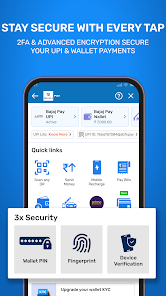
Transactions occur through secure authentication methods such as personal identification codes or biometric verification. These systems are designed to complete payments quickly while maintaining security standards.
Why People Prefer Digital Payments
The widespread adoption of digital payment systems can be explained by several factors:
- Speed of transactions
- Reduced dependency on physical cash
- Continuous availability for transfers
- Easy tracking of spending patterns
- Simple record maintenance
As these systems generate transaction histories automatically, they can also help individuals review financial activity when planning expenses or applying for financial products such as Loans.
Daily Payment Routines in the Digital Wallet Era
Many users interact with digital payment systems multiple times each day. Developing organized routines can help individuals manage spending efficiently.
Routine 1: Small Everyday Payments
Daily purchases such as transportation, groceries, or small services are often paid through digital transfers. These transactions eliminate the need to handle cash and allow users to keep an automatic record of spending.
This habit also helps individuals identify recurring expenses that may otherwise go unnoticed. Over time, reviewing these records can improve budgeting and financial discipline.
Routine 2: Person-to-Person Transfers
Sending money to family members or friends has become one of the most common uses of digital payments. Instant transfers allow users to split bills, support relatives, or repay borrowed amounts within seconds.
These simple transfers reduce delays and remove the inconvenience of physical payment arrangements.
Routine 3: Monthly Bill Payments
Digital payment systems have made bill settlement more predictable. Many individuals now pay electricity, water, and service charges through mobile platforms. Maintaining this routine ensures that payments are completed on time.
Regular bill payments also create a clear financial record, which may be useful when individuals later explore financial services such as Personal Loan options.
Security Practices Every User Should Follow
While digital payments provide convenience, responsible use requires attention to security practices.
Protect Authentication Details
Users should never share personal identification codes or authentication credentials with anyone. These details act as the primary defense against unauthorized access.
Verify Payment Requests
Unexpected payment requests should always be verified before approval. Fraudulent requests often appear legitimate but attempt to trick users into authorizing transfers.
Monitor Transaction History
Regularly reviewing payment records helps identify suspicious activity. Most digital platforms allow users to access detailed transaction histories, making it easier to track financial movements.
Update Devices and Applications
Keeping devices updated ensures that security improvements remain active. Updates often address vulnerabilities that could otherwise expose sensitive information.
By maintaining these habits, individuals can reduce the risk of unauthorized transactions while continuing to benefit from digital payment systems.
Managing Digital Spending Responsibly
Digital payments can make spending easier, which means users must remain aware of financial discipline.
Create Personal Spending Limits
Setting daily or weekly spending boundaries helps prevent unnecessary expenses. Digital records make it easier to compare actual spending against planned budgets.
Separate Needs from Convenience Purchases
Instant payments sometimes encourage impulse purchases. Reviewing transaction records can reveal patterns that may require adjustment.
Maintain Transaction Awareness
Checking payment notifications and transaction summaries allows users to remain aware of financial activity. This awareness supports better planning and decision-making.
When individuals maintain organized digital spending habits, they create stronger financial records. These records may later support applications for financial products such as Loans or Personal Loan facilities.
Benefits of Digital Payment Records
One of the less discussed advantages of digital transactions is the presence of organized financial documentation.
Clear Transaction History
Every payment generates a record that can be reviewed later. This history helps individuals analyze spending behavior over time.
Easier Budget Planning
By reviewing past transactions, users can estimate future expenses more accurately. This process supports structured budgeting.
Support for Financial Documentation
Consistent financial records can be helpful when individuals need to demonstrate financial activity while applying for certain financial services.
Although digital payments themselves do not guarantee credit approval, organized financial records can contribute to a clearer financial profile when seeking Personal Loan options or other forms of credit.
Adapting to the Future of Digital Payments
The digital wallet environment continues to evolve as financial technology expands. More services are integrating payment capabilities directly into everyday platforms.
Future developments may include:
- Enhanced identity verification methods
- Improved transaction monitoring systems
- More efficient cross-bank transfers
- Advanced financial tracking tools
As these changes occur, digital payment habits will continue to influence how individuals interact with financial services. Understanding the fundamentals of digital transactions ensures that users remain prepared for these developments.
Conclusion
The digital wallet era has transformed everyday financial behavior. Instant transfers, mobile payments, and electronic records have replaced many traditional payment methods. These systems allow individuals to manage transactions efficiently while reducing reliance on physical currency.
However, responsible usage remains essential. Developing healthy payment routines, monitoring transaction histories, and maintaining security awareness help individuals make the most of digital financial tools.
Another important aspect of digital payments is the availability of organized financial records. These records provide insight into spending patterns and can support financial planning. Over time, such documentation may also play a role when individuals explore financial opportunities such as Loans or Personal Loan solutions.